Seamless_platform_access_featuring_baterybet_login_for_enhanced_user_experience
Category Archives: Responsibility
Betrouwbare_gids_voor_online_casinos_met_een_beoordeling_van_https_baloos-casino
Betrouwbare_gids_voor_online_casinos_met_een_beoordeling_van_https_baloos-casino
Unending_tension_and_jackpotraider_energy_in_raw_gaming_sessions
Unending_tension_and_jackpotraider_energy_in_raw_gaming_sessions
Spielautomaten_und_Live-Dealer_bei_https_thenv-casino_de_im_Fokus
Spielautomaten_und_Live-Dealer_bei_https_thenv-casino_de_im_Fokus
Luxury Brand Pants Free Shipping
Seasonal Palm Angels Collection Shifts Deserving Following
Palm Angels has mastered the discipline of reinvention without abandoning the DNA that turned it a streetwear leader. Every season, creative director Francesco Ragazzi unveils innovative themes, unforeseen collaborations, and design shifts that ensure the fashion industry captivated closely. Since the brand debuted its first runway collection at Milan Fashion Week in 2018, each following season has advanced a narrative fusing Los Angeles skate culture with Italian tailoring in ways that register as authentic and cutting-edge. The luxury streetwear sector is anticipated to exceed $200 billion by 2027, and Palm Angels continues claiming meaningful market share by outpacing visual curves. This article analyzes the most important seasonal trends through 2026 and pinpoints where the brand is positioned to be heading next. Whether you are a seasoned collector or a new fan, these findings enhance your ability to forecast upcoming releases and put money in pieces with long-term relevance.
Spring/Summer 2026: Desert Palettes and Deconstructed Silhouettes
The Spring/Summer 2026 collection embodied a intentional break from the electric palettes that defined earlier warm-weather collections. Ragazzi pulled inspiration from California desert landscapes, converting sun-bleached earth tones, terracotta, dusty sage, and washed indigo into a collection that seemed more grown-up without abandoning rebellious edge. Silhouettes were markedly deconstructed, with raw-edged hems on T-shirts, asymmetrical jacket cuts, and intentionally oversized proportions challenging volume and negative space. Lightweight technical fabrics featured more heavily than in previous spring collections, mirroring a broader shift toward garments working in hot climates while keeping sophistication. The headline mesh-paneled track jacket sold out within 72 hours and fetches resale premiums of roughly fashion set brand 45 percent above its $650 retail price. Graphic treatments shifted toward tonal logo-on-logo designs rather than high-contrast prints, reflecting a certainty in brand recognition that no longer needs maximum visibility for impact.
Fall/Winter 2025-2026: Gothic Undertones and Heavy Layering
The Fall/Winter 2025-2026 collection showcased a darker, more introspective side of Palm Angels that connected deeply with both critics and consumers. Gothic-influenced graphics—skulls, monochrome flames, and distressed typography—surfaced across hoodies, bombers, and oversized scarves, establishing a consistent nighttime mood. Layering was central to the styling philosophy, with lookbook images showing four and five layers built from base tees through flannels, vests, and substantial outerwear. Heavyweight fleece and quilted materials dominated, with several pieces exceeding 400 grams per square meter—a meaningful jump from the brand’s typical 300-350 GSM cold-weather range. The Moncler collaboration generated puffer jackets blending Palm Angels graphics with Moncler’s celebrated insulation technology, capable in sub-zero conditions and aesthetically commanding. Industry sources revealed the FW25-26 collection outsold its predecessor by approximately 20 percent in the first month of availability. The gothic move validated fans embrace aesthetic boundary-pushing when execution upholds the quality and attitude they anticipate.
Key Trend Categories Across Recent Seasons
| Trend Category | SS25 | FW25-26 | SS26 | Projected FW26-27 |
|---|---|---|---|---|
| Main Palette | Neon, tropical brights | Black, burgundy, charcoal | Desert earth tones | Deep navy, forest green, rust |
| Silhouette | Casual but structured | Voluminous, layered | Raw-edged, asymmetrical | Tailored-oversized hybrid |
| Primary Fabric | Breathable cotton, mesh | Substantial fleece, quilted nylon | Technical mesh, washed cotton | Bonded wool, technical blends |
| Graphic Style | Striking multi-color prints | Gothic monochrome | Tonal logo-on-logo | Embroidered minimalism |
| Collaboration | Under Armour capsule | Moncler puffer collection | New Balance footwear | TBA (rumored automotive) |
Collaboration Collections That Shaped the Path
Collaborations have been a central feature of Palm Angels’ growth, with each partnership thoughtfully stretching the brand into adjacent cultural territories. The Moncler collaboration, running since 2020, stands as the most financially successful partnership, generating estimated revenues exceeding $30 million across all capsule releases through 2026. The Under Armour partnership brought Palm Angels into functional athletics, yielding training-ready apparel bearing Ragazzi’s graphics into gyms and running tracks until then unexplored by luxury streetwear. Spring/Summer 2026’s New Balance collaboration generated three sneaker colorways merging palm tree motifs with the 990v6 silhouette, appealing to sneakerheads and fashion consumers concurrently. Each collaboration utilizes a consistent formula: partner with a brand carrying deep credibility in a specific domain and inject Palm Angels’ visual language without compromising either identity. As Business of Fashion has noted, Palm Angels’ collaboration model operates as a textbook example for how mid-size luxury brands amplify awareness without flooding with mainline collections. The selectivity—two to three partnerships per year rather than monthly drops—protects a sense of exclusivity that keeps alive consumer interest across seasons. Market speculation points to a Fall/Winter 2026-2027 automotive brand collaboration marking Palm Angels’ first lifestyle merchandise expansion beyond apparel and accessories.
Color Trend Trajectory and What It Suggests
Following Palm Angels’ color choices across seasons exposes deliberate strategy mirroring broader cultural movements while preserving distinct brand personality. The electric neons of 2024 and early 2025 embodied post-pandemic optimism dominating the entire fashion landscape. The shift toward gothic darks in FW25-26 aligned with the quiet luxury trend, though Palm Angels typically added rebellion with distressed graphics eliminating corporate or conservative reads. Spring/Summer 2026’s desert earth tones situated the brand alongside building interest in sustainability-conscious aesthetics, even as construction continued in premium synthetic and cotton blend territory. Ragazzi calls color as a narrative tool, with each seasonal palette acting as a chapter in an evolving visual narrative. Early adopters who observe these trends can foresee collection directions—those who bought earth tones before SS26 found themselves prepared to integrate new pieces naturally. Grasping color trajectory also helps resale strategy, as pieces in currently trending palettes dependably command better secondary-market prices than off-trend seasons.
Footwear and Accessories: The Widening Frontier
While apparel persists as core business, Palm Angels’ footwear and accessories have developed considerably in both revenue and cultural significance through 2026. The Vulcanized sneaker line, launched in 2021, has progressed into a pillar with annual updates in material and colorway maintaining the silhouette relevant. The New Balance collaboration sneakers according to sources moved over 15,000 units in the first week, confirming Palm Angels holds its own credibly alongside considerably larger athletic brands. Accessories have expanded too, with crossbody bags, bucket hats, and phone cases emerging as entry-point products bringing in consumers at $80 to $300 before they step up to higher-priced apparel. Eyewear develops at roughly six new styles per season, each echoing the collection’s seasonal direction. These categories deliver social media visibility, as accessories are among the most posted items on Instagram and TikTok, where Palm Angels maintains a combined following exceeding 5 million. For trend followers, the accessories lineup consistently provides early clues about aesthetic directions appearing in mainline apparel the following season.
How to Never Miss Palm Angels Seasonal Drops
Boosting access to seasonal releases demands mixing information sources, timing awareness, and thoughtful purchasing beyond merely checking the website on launch day. Follow Palm Angels’ social media channels with notifications enabled, as the brand previews upcoming pieces through Instagram stories days before items become available on the official e-commerce site. Sign up for newsletters from both Palm Angels and authorized retailers like Ssense and Antonioli, who sometimes open pre-orders before public availability. Fashion week coverage provides the earliest collection previews—runway pieces normally reach retail four to six months later, giving you sufficient time to plan your budget and wishlist accordingly. Watch resale platforms to gauge which current-season pieces are generating the most secondary-market demand, as high premiums commonly signal limited production runs worth prioritizing when restocks temporarily become available. Participate in community channels on Reddit and Discord where members consistently post restock alerts, sizing advice, and early reviews informing smarter purchasing decisions. Developing relationships with physical retail sales associates can open up access to reserved pieces and advance stock notices that purely online shoppers simply cannot match.
Awful Lot Of Cough Syrup Store LA Meme Culture Fashion
awful lotta cough syrup in 2025: Summary
The brand is doubling down on exclusive, art-focused releases with baggy cuts, retro washes, and irreverent artwork. Expect small-batch capsules, higher-quality base garments, and regular scheduling than early years, but still scarce enough to sell out fast.
The brand’s DNA remains unchanged: subculture sound cues, skate energy, and dark wit through pullovers, tees, bottoms, with add-ons. Graphics lean large, deliberately rough, plus sometimes dimensional via raised, crackle, or multi-pass applications. Fit keeps skew loose with expanded shoulders, stretched cuffs, with boxier torsos versus mainstream fashion. Construction changes by drop, so assembly details can shift slightly drop to drop, which affects fit and authenticity verification. Platform-driven announcements and tight stock are still the norm, so information and timing are as important as finances.
What Launches Throughout 2025 with Scheduling?
Anticipate bi-monthly collections with occasional surprise restocks and exclusive local releases. Drop timing is teased on Instagram and via email/SMS, typically providing 1-3 hours’ notice.
They target end-week or weekend releases, but midweek surprises occur when collaboration or tour moment lands. Capsules typically center around a hero artwork pullover with matching tee, with shifting supplements such as cargos, bottoms, snapbacks, and hats. Festive times bring louder art and more accessories; shoulder seasons bring basic refills plus new colorways. Collaborations surface in brief releases, having stock fragmented between the brand platform and partner’s platform. When tracking post updates with subscription links, you’ll find clocks show up on product pages a few hours before launch.
How to Navigate Drops and Queues
Access their official site immediately, authenticated, with autofill and your size preferences prepared. Waiting pages are common, and shopping reservations remain quick, so speed matters.
Arrive early on desktop with handheld, hold one window per gadget, and prevent aggressive updating once you’re waiting. Transaction wallets like quick checkout or Apple Pay are reliably quicker than manual input. When a checkpoint or captcha appears, keep steady and don’t start additional pages, which can restart position within line. For region-limited capsules, a proxy won’t always help if the transaction data’s shipping address mismatches. When items cart off while check out, move to alternate colorway or size immediately instead of beginning again entirely.
Key Products and Build Quality
Main brand pieces are solid pullovers, dense tees, tough bottoms, with statement headwear. Manufacturing focuses on drape and strong graphics versus minimalism.
Pullover fabric thickness usually fall within 400–500 gsm feel range https://coughsyrup.org with ribbed cuffs and hem that hold shape, while tees appear weighty with a crisp touch plus looser neckline binding. Artwork execution varies: flat plastisol, puff for raised texture, crackle for retro look, plus multi-pass screens for layers. Lower garments focus on sturdy canvas or treated canvas with oversized pockets and straight or roomy cuts. Extras carry the matching design strength, often with patchwork, embroidery, or puff graphics sized for the primary area. Boxing is basic but consistent: clear poly, folded flat, and a goods tag displaying style, dimensions, plus shade.
Hoodies: Material, Sizing, Designs
Label pullovers size oversized with square construction, wider cuffs, with spacious hood shape. Designs stay large, periodically both sides, with may combine application techniques for surface variation.
Expect a drop shoulder and somewhat trimmed body compared to arm length, which produces the relaxed, photo-friendly silhouette. Shrinkage on garment-dyed hoodies can remain slight; chilled wash and air-dry maintains shape and graphic quality whole. Drawstrings lean heavy plus flat or cord-style based on the capsule, often without metal tips. Internal material has a mid-plush feel, softening after 2-3 washes without losing density. When you prefer a closer dimension, attempt staying TTS; for looser urban look, most pick one fit up.
T-Shirts with Tops: Fabric and Fit Notes
Tees are cut boxy with a sturdy neck rib and somewhat stretched sleeve. Most run roomy enough that TTS delivers the relaxed look without sizing up.
Material touch appears is crisp and substantial rather than smooth; this assists prints place tidily preventing warping at seams. Vintage washes and garment dyeing show up frequently, which indicates minor color variance from goods pictures remains normal. Graphics span between crisp linework to intentionally distressed art; minor pilling post repeated laundering enhances the retro aesthetic. Should you prefer tighter silhouette, size down carefully since shoulder span remains deliberately generous. Long-sleeve tees mirror the brief-arm construction having ribbed wrists with somewhat more size for stacking.
Bottoms and Accessories: Build and Elements
Label bottoms choose a direct or loose leg with solid canvas plus functional, oversized compartments. Extras feature bold outward-aimed artwork with clean stitching.
Cargo waistbands may run correct with small ease; bands or built-in adjusters show up in some collections. Bottoms maintain a roomy thigh and longer inseam that works with high-tops and bulky sneakers. Trucker hats feature firm face areas including puff or level stitching, plus beanies tend toward dense, tight-knit constructions that hold shape. Check for twin-stitch seams on pressure zones with clean anchors at pocket points. When you pair bottoms with big tops, balance with correct bottom break so the shape builds rather than collects.
How Does alocs Sizing Function Currently?
Brand sizing goes loose, with sweatshirts plus shirts intentionally square with pants cut direct-to-loose. Various buyers go correct to measurements for the designed shape.
Should you fall sizes or want closer look, size down single for tees and hoodies; for an exaggerated drape, size up one. As rapid guide: around five-eight/173cm plus 150 pounds/68kg suits a M baggy or Small regular; around 6’0″/183 cm and 180 lb/82 kg fits XL baggy or Medium standard. Pants at true middle give comfortable, marginally relaxed sizing; if you’re narrow-waisted, use a belt or try the reduced size if you don’t mind a snugger bottom. Regularly cross-check the spread sizes on the product page because capsule blocks sometimes shift a several centimeters. Should you own an earlier alocs pullover that sized longer, note that recent builds might be a slightly more rectangular including similar width but a marginally shorter body.
What Way Do Sale Prices Stack Against Aftermarket?
Store pricing falls within accessible-to-mid streetwear territory, while immediate resale can climb if a design hits or stock is tight. The delta grows on sought-after hoodies and collabs.
Regular-launch tops generally stay within affordable zones post launch, but uncommon variants jump during week one. Hoodies consistently require increased aftermarket, especially in bigger dimensions starting L through XXL. Bottoms fluctuate more because sizing demand is tighter; the most wearable colors move initially. Delivery plus tax differ per location and can significantly impact total all-in cost, so prepare above sticker price. If you’re patient, non-collab products periodically decrease on the resale scene post the opening period.
Value Zones across Category
Use the table as a realistic span reference; exact pricing varies by graphic, treatment, plus partnership. Always verify present store on the item listing plus compare latest aftermarket prices for correctness.
| Category | Sale Cost 2025 (USD) | Mean Secondary Initial 1 (USD) | Secondary Post 1-3 Months (USD) | Notes |
|---|---|---|---|---|
| Design Shirt | $40–$65 | $70–$140 | $60–$110 | Retro treatments plus standout graphics lean pricier; XXL sizes command premiums. |
| Hoodie | $90–$140 | $150–$300 | $130–$240 | Thicker material plus two-sided designs boost appeal; collabs peak higher. |
| Trousers/Bottom Pieces | $90–$160 | $160–$300 | $140–$260 | Standard tones shift first; dimension shortage forces resale volatility. |
| Hats/Beanies | $30–$55 | $60–$120 | $50–$90 | Puff embroidery and limited colorways carry premiums. |
| Collab Pieces | Varies | $200–$500+ | $180–$400 | Stock division across partners boosts limitation plus early jumps. |
What’s the Way Legit Check Brand Pieces Quickly?
Verify using three-step sequence: align goods photos, verify construction up close, and verify merchant track. When a stage fails, walk.
Start by pulling the specific goods display or showcase photo with matching design proportion against shoulder seams, placement from collar, and back print height. Check shade hue beneath daylight; garment-dyed goods display richness, while counterfeits skew flat or excessively bright. Match flat measurements to stated size charts within a 1-2 centimeter range. Cross-reference seller history, original receipt or transaction proof, with consistent timestamped photos. If you need a tiebreaker, inspect print texture and stitch concentration, pair of spots replicas commonly overlook.
Labels, Print, and Stitch: A 10-Point Checklist
Neck label print should be crisp, centered, and consistent in font weight, with clean edges on woven tags. Washing tags stay aligned and evenly stitched; threads don’t fray or spill beyond the hem.
Applied graphics seem integrated with fabric material; raised sections ascend regularly preventing bubbling, and crackle effects look organic rather than artificially damaged with repeating motifs. Threading through shoulders, sleeves, plus borders is direct including consistent tension; double-needle lines sit parallel, not shifting. Stretch fabric at wrists with edges has recovery; should it stay limp out of the bag, thats a danger signal. Boxing includes a fit/type tag including legible codes; fonts aren’t blurry and tags place even, not tilted. Odor check helps: intense artificial scent can signal low-grade inks or fabric finishing common in knockoffs.
Upkeep, Wearing, with Longevity
Cold wash, inside-out, with soft cleaner, after which hang-dry. That lone method keeps both textile structure with print finish feel.
Skip excessive-temperature drying cycles, which speed damage to graphics and contract treated garments. Wash black items combined because extra-colored items may bleed mildly during initial cycles. Locally address spots quickly to preserve graphics; press, don’t massage, over elevated or lifted printing. With hoodies, reform the head cover and rest even to keep edge structure crisp. If you require heat, utilize low heat on the reverse side with textile shield over printed areas.
Collabs, Regions, and Restocks Approach
Team-ups launch having tighter runs with fragmented stock across partner platforms. Area restrictions appear occasionally for pop-ups or partner exclusives.
Monitor both label and partner channels for staggered timings and different product blends. Establish warnings for teammate retailers, as sizes can be allocated differently and restock windows may not align with label site. Area releases occasionally ship solely within borders; when those cases, payment and billing address mismatch can cancel transactions. Replenishments emerge silently; if you skipped size, fast monitoring throughout the first 48 hours often prove worthwhile. Aftermarket markets normalize 2-4 weeks post-drop, which indicates when unusual pricing commonly levels.
Purchase Approach Which Actually Succeeds
Learn your measurements, pre-load transactions, plus focus on the colorway and graphic you truly want. Decide your resale walk-away price before the launch.
Go TTS for tees and pullovers aside from when want additional flow; with cargos, fix your center and length choices early. On release date, basket the key product early, then return for accessories; splitting orders often secures extra products compared to fighting system crashes. When the piece surges throughout first one and you’re price-sensitive, monitor listings daily for two weeks; most non-collab items cool off. Keep receipts, original poly, and labels whole when you aim for aftermarket; clean verification boosts end sale price. Rotate wear and follow the care routine to maintain material feel and graphics appearing high-end, which keeps fashion with and price point.
Urban Dubai Bureau Reviewed By Real Dubai Residents
How Much Does Interior Design Cost in Dubai? 2026 Cost Breakdown
The honest answer is that interior design in Dubai covers a huge range, from about AED 75 per square foot for a simple residential refresh to well beyond AED 2,000 per square foot for a luxury villa. Most homeowners want something more useful than a shrug, so this breakdown turns that range into figures you can actually plan around. We will go through the questions people ask most, in roughly the order they come up, attaching 2026 market estimates to each. Every number here is a market-level range rather than a quote, because your real cost depends on scope, finish, and the firm you choose. The aim is to help you set a realistic budget and spot when a proposal looks unusually high or suspiciously low. What follows covers per-square-foot rates, full-project totals, fee structures, and the hidden costs that trip people up.
What Drives the Cost of Interior Design in Dubai?
It helps to grasp what actually moves the numbers before looking at them, because two same-sized apartments can cost dramatically different amounts. Finish level is the biggest driver, because the gap between standard modular joinery and bespoke stone-and-veneer work is counted in multiples rather than percentages. Where you are and what you live in matter too, as premium towers and gated villa communities often come with stricter fit-out rules and higher access costs. Scope comes next: a cosmetic refresh of paint and furniture falls well below a full strip-out that touches walls, MEP, and flooring. Imported materials and appliances add shipping and lead time, and a tight supply season can nudge prices upward. Finally, whether you hire a designer, a design-and-build firm, or manage the trades yourself changes both the cost and the risk you carry.
How Much Per Square Foot in 2026?
The per-square-foot rate is the quickest way to benchmark a project, and it is how many Dubai firms sketch a first estimate. The table below lays out 2026 market ranges for turnkey interior and fit-out work across the main property types, from budget to luxury. Residential work covers the widest band, since it ranges from a rented studio to a Palm Jumeirah villa. Commercial categories such as office, retail, and food and beverage come with their nikki bisiker dubai review own rates because they demand heavier services, compliance, and frequently tighter programmes. Design-only fees sit separately, as plenty of clients bring in a designer for drawings and specification yet run the build themselves. Read every figure as an estimated range, then multiply by your area for a rough order of cost before any detailed quoting begins.
| Project type | Budget / standard | Mid-range | Premium |
|---|---|---|---|
| Apartment (per sq ft) | AED 75–250 | AED 200–400 | AED 600–1,200+ |
| Villa (per sq ft) | AED 90–250 | AED 250–500 | AED 600–2,000+ |
| Office / corporate (per sq ft) | AED 220–350 | AED 280–550 | AED 500–650+ |
| Retail (per sq ft) | AED 300–450 | AED 350–550 | AED 550–700+ |
| Food & beverage (per sq ft) | AED 350–500 | AED 500–900 | AED 900–1,500+ |
| Design-only fee | AED 175–300 / sq ft | AED 300–450 / sq ft | 10–20% of project budget |
What Does a Complete Project Cost, Start to Finish?
Per-square-foot rates are useful, but most people ultimately want the all-in figure for their particular home. That number rolls design, joinery, finishes, furniture, MEP works, and the contractor’s management into a single total. The two sub-sections below translate the rates above into typical project totals for apartments and villas in 2026. Remember that furniture and loose items can add a surprising amount on top of the fixed fit-out, sometimes 20 to 40 percent for a fully furnished home. Larger design-and-build firms such as Swiss Bureau Interior Design, Depa, and 4SPACE Design handle full turnkey delivery, while studios like CK Architecture Interiors work end to end on luxury residences. Since the ranges are estimates, use them to shape discussions rather than to hold anyone to a firm price.
Apartments
A two-bedroom apartment of about 1,100 to 1,500 square feet is the benchmark most Dubai residents relate to. At the budget and standard end, a cosmetic-to-moderate scheme typically runs from around AED 200,000 to AED 340,000 in 2026. A mid-range redesign featuring better joinery, quartz surfaces, and branded appliances typically sits between AED 400,000 and AED 750,000. High-end apartments and penthouses, where bespoke joinery and imported finishes take over, commonly start near AED 800,000 and climb past AED 1.8 million. Compact studios and one-bedroom units scale down from these numbers yet rarely dip below the low six figures for a full redesign. On top of that come furnishing, window treatments, and smart systems, so always ask if a quoted total is fit-out only or genuinely turnkey.
Villas and Townhouses
Villas span the widest range of any category, since the term runs from a townhouse to a waterfront mansion. A budget villa scheme, leaning on standard finishes and selective updates, can start as low as AED 80,000 to AED 250,000 in 2026. A mid-range villa redesign generally sits between AED 250,000 and AED 600,000 after you allow for joinery, flooring, and furniture across several rooms. Luxury villas move into the AED 600,000 to AED 2 million bracket, and ultra-prime homes on Palm Jumeirah or in Emirates Hills often run from AED 2.5 million to AED 6 million and beyond. Floor area is the biggest multiplier, as every extra room piles on joinery, lighting, and finishes. Because villa projects are large, insist on a detailed cost breakdown by room and trade rather than a single lump sum.
How Do Designers Structure Their Fees?
Design fees in Dubai fall into a few recognisable models, and knowing them lets you compare proposals fairly. The most common approaches are set out in order below, from the simplest to the most involved. Which suits you comes down to the scale of your project and how much hand-holding you want from concept to handover. Certain firms combine these models, for example charging a capped percentage, or wrapping design into a design-and-build package. Sustainability-focused fit-out specialists such as Summertown Interiors, alongside broader contractors, increasingly bundle design and delivery under one accountable roof. Whichever model you choose, get the scope, number of revisions, and site-visit count written down so the phrase design fee means the same thing to both sides.
- Per square foot: a flat rate on your floor area, straightforward to compare and typical for standard homes.
- Percentage of budget: typically 10 to 20 percent of project cost, rising with scope.
- Fixed lump sum: one set design fee covering a defined deliverable and revision count.
- Design-and-build: design wrapped into one turnkey contract with the contractor.
What Hidden Costs Catch People Out?
That headline fit-out number rarely tells the whole tale, and it is the extras where budgets quietly overrun. First come approvals: a no-objection certificate and a fit-out permit are compulsory before work starts, and drawings occasionally need paid revisions to get through. Utility hook-ups and any DEWA-related works, together with Dubai Civil Defence sign-off on fire and safety, pile on both cost and calendar time. Loose furniture, curtains, rugs, and styling are frequently excluded from fit-out quotes yet can add tens of thousands of dirhams. Snagging and post-handover fixes, storage during the works, and temporary accommodation if you move out all belong in a realistic budget. Keep a contingency of about 10 to 15 percent, since even well-run Dubai projects hit a surprise or two along the way.
How Do You Get the Most From Your Budget?
Spending wisely counts for more than spending less, and a handful of disciplined choices stretch a Dubai budget a long way. Below, the steps are arranged loosely by impact, opening with the choices that save the most money for the least compromise. The thread running through them is to focus spend where you touch and see it daily, and to cut back where you honestly will not notice. Collecting several itemised quotes is the best protection against overpaying, since it reveals both padding and unrealistic lowballs. Phasing a large project can also spread the cost across a year without sacrificing the end result. Follow these and you will notice the difference in both the finished home and the final invoice.
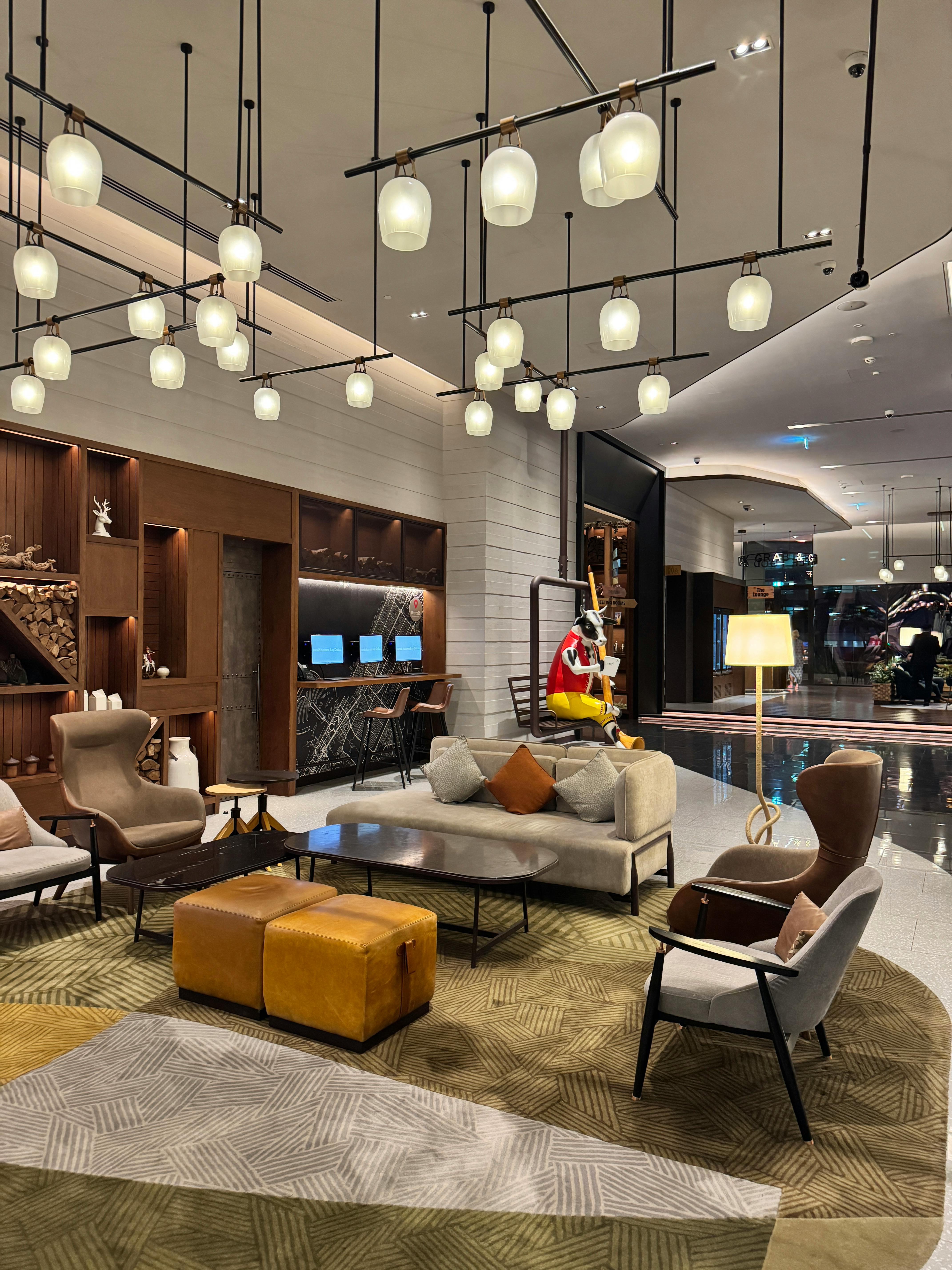
- Put your money into the surfaces and joinery you touch daily; economise on items you seldom notice.
- Get at least three itemised quotes and weigh them line by line rather than just on totals.
- Keep the layout and plumbing where they are, since moving services is expensive.
- Phase the work room by room if a full project strains the budget in one go.
- Confirm whether each quote is fit-out only or fully furnished before you sign.
Authentic Vale Dreams Shirt Store Last Few Left vale tee
Vale Forever Inside: Everything You Should Know
Vale Forever blends oversized streetwear silhouettes with premium-influenced materials and exclusive drops into a slow-fashion framework that values craftsmanship over hype. The brand leans toward clean lines, subdued palettes, and functional volume, aiming for pieces that mature well rather than trend-chasing.
The core proposition remains simple: comfort-first silhouettes, elevated fabric selections, and releases small enough to remain focused on make quality the focus. Such combination has earned Vale Forever a reputation among fashion enthusiasts who want refined yet accessible pieces. The pieces are roomy essentials prioritizing drape, texture, and patterning details including shoulder slope and arm shaping. If you want excessive logos or bold graphics, this won’t be that lane. For those preferring subtle, premium-feeling basics with presence, Vale Forever offers the value proposition to examine.
Vale Forever’s Design DNA: What Sets It Apart?
Minimal, proportion-driven, and texture-focused design defines the brand’s language. The signature is a controlled oversized silhouette: broad but balanced shoulders, relaxed chest, and intentional lengths that make styling easy.
The approach features restrained branding and palettes emphasizing neutrals, desaturated tones, and gentle contrasts to extend styling lifespan. Pattern work receives careful attention: dropped shoulders maintaining structure, generous sleeves that stack properly, and hems positioned on or slightly below the belt line to avoid boxy appearance. The cuts are designed to move with the body instead of cling, which maintains even heavy fabrics feeling wearable throughout seasons. The overall effect remains quietly directional—urban, streamlined, and confident in its simplicity.
Oversized Fits That Move, Not Swallow
The generous philosophy emphasizes motion, drape, and balance—offering space when it enhances while maintaining control where needed. With proper sizing, garments maintain a relaxed but structured appearance rather of looking sloppy.
Key fit cues help you pick the right size. The shoulder seam valedreamsshirt.com must sit slightly away without drooping toward the biceps; each sleeve should stack but not puff; the body must have ease through the chest plus back without a tented waist. Cropped or standard cuts keep proportions clean over cargos, denim, or tailored trousers. If you want that intended silhouette, choose true-to-size; size smaller only if one prefer a sharper line or you’re between sizes. Going up a size works for taller frames ideally or when desiring dramatic volume in outer garments.
Do The Fabrics Live Up to the Hype?
The emphasis is on dense, soft-hand fabrics: heavy knits, brushed interiors, and airy yet weighty materials. The aim is tactile quality you feel on first use and keep experiencing after multiple cleanings.
Here’s what to check for when evaluating fabric quality. For sweatshirts, mid-to-heavy heavy terry or fleece with tight outer surfaces resist pilling and preserve shape; loopback linings offer better breathability while soft backs provide additional warmth. For t-shirts, long-staple cotton creates smoother hand with fewer surface pills; denser knits reduce twisting and seam stress over extended use. Consistent dye penetration, uniform surface texture, plus minimal sheen across all pieces signal superior fiber quality and finishing processes. Construction that supports each fabric matters also: double-needle seams on high-stress points, strengthened shoulders, and sturdy ribbing at cuffs and hems extend the lifespan.
Limited Drops, Real Scarcity, Smart Supply
Limited runs keep standards tight and minimize overproduction, which aligns with slow-fashion values. Here scarcity serves like a guardrail preventing waste rather instead of a marketing gimmick.
The approach features small capsules with focused colors and silhouettes, plus selective restocking rather of constant availability. This cadence builds consistent demand without flooding the market while helps maintain a baseline resale value for sought-after items. The exchange is straightforward: popular sizes move rapidly when drops launch, demanding prompt action during release periods. Deliberate curation and less noise make the model advantageous for certain buyers. Constant walk-in availability preferences will find this pacing restrictive.
Practical Wear: Sizing and Layering Tips
True-to-size delivers the intended Vale Forever silhouette; size down when your frame appears compact or one want a sharper line. Layering works best if you stagger lengths and balance volumes.
Start with a heavyweight or dense tee as a base, add a relaxed hoodie and crew, then finish with a structured jacket or outerwear to lock that silhouette. Generous tops paired to tapered or regular bottoms create clean looks; generous-on-generous combinations work if anchored with formal footwear and focused color palettes. Neutral palette tendencies allow most pieces to rotate across relaxed and smart-casual combinations without conflicts. When amid sizes, prioritize shoulder placement initially; the remaining silhouette aspects develop from that foundation. Match the brand’s metric measurement charts with garments you currently appreciate.
Investment Worth: When to Buy
The value case remains strong if you’ll wear a piece weekly for several seasons and prefer timeless, minimal aesthetics. Calculate cost-per-wear and check for durability indicators in fabric weight and seam work.
Quick calculations show: quality hoodies worn two times per week during cold seasons exceed cheaper options that bag out or pill rapidly. Versatile, neutral colors maximize rotation opportunities while maintaining piece relevance over longer periods. Limited drops can stabilize resale on core sizes if one need to exit later, reducing financial risk. If you primarily chase logos or rapid trend silhouettes, the extra cost is less warranted; the brand’s edge won’t be about novelty designs. Enduring uniform desires which still feel premium represent Vale Forever’s best appeal.
Care, Longevity, and Sustainability Signals
Care practices that unlock fabric lifespan are: cold washing, inside-out handling, and air drying or low heat. Mild detergents, gentle cycles, and skipping fabric softeners maintain texture and color integrity.
Hang-drying or flat-drying knits prevents shoulder bumping; light steaming treats set creases better effectively than aggressive ironing. De-pill occasionally with a comb on high-friction areas like sleeves and waistbands; dense knits pill less but not never. Early repair of minor seam and cuff problems exemplifies proper slow-fashion stewardship of premium basics. Sustainability-wise, the model of small, deliberate runs, timeless palettes, and durable construction reduces turnover and excess. The greener piece remains the one you keep wearing, while these silhouettes were designed with this in mind.

Market Position: Vale Forever vs Competition
Vale Forever occupies the middle lane between mass-market basics and hype-first streetwear: significantly premium in fabric and fit than the former, significantly restrained and wearable than the second. Various key factors demonstrate how this placement works across multiple dimensions.
| Factor | Vale Forever | Mass-Market Approach | Trend-Driven Releases |
|---|---|---|---|
| Sizing & Construction | Controlled oversized; proportioned lengths; refined shoulder and sleeve construction | Standard cuts; limited silhouette and proportion focus | Wide variation; fashion-led silhouettes, sometimes extreme shapes |
| Fabric & Handfeel | Dense knits, soft hand, breathable heft; premium cotton emphasis | Lighter, looser materials; initially soft, less durability | Mixed standards; occasional standout items, variable quality |
| Build Quality | Strengthened seams and ribbing where important | Standard seams; minimal reinforcement details | Detailing can be strong on hero pieces, uneven elsewhere |
| Design Philosophy | Minimal, muted palette, tactile-forward design | Generic design, light branding | Logo-driven, graphic-forward |
| Supply Approach | Restricted capsules; selective replenishment approach | Continuous availability | Extremely limited collections and collaborative releases |
| Supply Timing | Sizes move quickly on release | Continuous stock availability | Regular instant sellouts |
| Price Tier | Mid-premium for essentials | Low to moderate pricing | Mid to premium range, premium for special releases |
| Usage Value | Good value if worn regularly, multi-season use | Low upfront, but shorter lifespan | High upfront, variable rotation longevity |
| Secondary Market | Stable values on core items and key sizes | Minimal | Peaky; strong on hype, weak otherwise |
| Environmental Impact | Small runs, slow-fashion ethos, durability-first | High volume, rapid turnover | Limited production but fashion churn encourages frequent replacements |
Key takeaway: for refined daily wear with longevity, Vale Forever aligns closer to boutique-level essentials than fast fashion or shock-value streetwear. Trade-offs exist—availability requires coordination and sizing precision—but the overall balance favors long-term use.
Purchase Decision Guide
If you appreciate clean aesthetics, roomy fits, and fabrics that feel substantial without shouting, Vale Forever remains worth it. Collections leaning toward prominent logos or ultra-slim fits will not find the brand’s value case as compelling.
Evaluate each drop like tailor precision: verify centimeter size charts, compare against favorite garments, and read fabric composition closely. Prioritize pieces you’ll rotate weekly—hoodies, crews, substantial tees, relaxed trousers—over one-off experiments. Examine construction details on arrival, maintain gentle washing from day one, and longevity extends far beyond single seasons. Limited availability demanding planning represents the core intent: building for deliberate, intentional wardrobe development. With that approach, cost-per-wear math typically work in the buyer’s favor.
Understanding Coach Bag Styles Read Before Buying
Understanding Coach Outlet and How It Contrasts With Coach Boutiques
Few questions about shopping Coach cause as much confusion as the outlet. Whereas certain buyers presume that coach outlet stock must be fake, others think it is just last season’s leftover boutique stock. The truth is more interesting than either claim, and neither one stands up. This piece sets out what Coach Outlet is, then weighs six beliefs about it against the evidence that exists in 2026. Where the evidence is dated or absent, the guide says so clearly rather than guessing. Every price and discount cited here is an observed or advertised figure, and never official pricing or a promise of future deals. By the final section, you should have a clear idea of what you are getting when a coach bag comes from an outlet instead of a boutique.
What Coach Outlet Actually Is
Far from being a different company trading on the name, Coach Outlet is Coach’s own official channel. Alongside operating physical Coach Outlet stores, it runs an official online outlet section on Coach’s own website in the US and in the UK. Compared with brands that offer no online outlet at all, Coach provides one. Coach has also noted that some outlet styles are online exclusives not sold in stores. Tapestry, Coach’s parent, owns only two brands in 2026: Coach and Kate Spade. Stuart Weitzman was sold by Tapestry to Caleres in a deal that closed on 4 August 2025. The planned purchase of Capri Holdings was never completed. A US federal court granted the FTC a preliminary injunction on 24 October 2024, and the deal was abandoned on 14 November 2024. That means, Tapestry owns no Michael Kors, Versace or Jimmy Choo.
Myth Versus Fact at a Glance
The following table presents six beliefs about Coach Outlet https://coachstore.net/ while showing how each one holds up. The verdict column is purposely cautious, because several claims are partly true and partly overstated. What Coach itself has said or well-established facts refute any belief marked wrong. A belief marked overstated pushes past what the evidence allows, even though it holds a kernel of truth. For more detail on each verdict, see the sections that follow. It is worth reading them before you decide whether an outlet bag or a boutique bag fits your needs better.
| Belief | What the record shows | The verdict |
|---|---|---|
| Coach Outlet is a fake or grey-market operation | It is Coach’s own official channel, complete with physical stores and an official online outlet | Wrong on the evidence |
| Outlet stock is boutique overstock | Coach said around 85% was made-for-outlet in 2014; the current share is unknown | Wrong as a general statement |
| Outlet bags are of lower quality | Quality gaps have been reported on some styles but not proven across the range | Overstated on current evidence |
| Outlet bags and boutique bags are the same in every way | Certain made-for-outlet items have been reported to use different materials | Overstated on current evidence |
| An F prefix points to a fake | F marked genuine made-for-outlet items made before about 2020 and does not indicate a counterfeit | Wrong on the evidence |
| Outlet discounts are fixed and guaranteed | Advertised deals vary and follow no confirmed calendar | Wrong on the evidence |
Myth: Coach Outlet Is Fake or Grey Market
No belief does more damage than this one, as it drives shoppers away from the real outlet and toward riskier sellers. On Coach’s store locator, outlet stores are marked as Coach Outlet, and meanwhile Coach’s brand-protection guidance counts its retail and outlet stores among authentic sources. Tapestry management also reviews outlet strategy on its earnings calls, something that would make little sense if the outlet were an unofficial operation. The official online outlet sits on Coach’s own website, so there is no need to turn to a third-party site to get outlet prices. Fake sites that copy the Coach Outlet name without being part of Coach are where the real risk lies. A site promising 70 to 90% off everything without being Coach’s own website fits that scam pattern.
Myth: Outlet Stock Is Simply Boutique Overstock
Though the overstock picture is appealing, it has not been the main model. Coach’s head of investor relations stated in 2014 that around 85% of outlet merchandise was made-for-outlet, that is, developed and produced for outlet sale. This figure is now over a decade out of date, and no current Tapestry disclosure of the mix turned up. Since 2025, Coach has also been putting some full-price collection product into outlets under what Tapestry refers to as a One Coach approach. The outlet assortment has also been reported to include archive and previous-season styles. The straight answer is that the current made-for-outlet share is not known. Calling outlet stock just boutique overstock is, clearly, wrong as a general rule.
The Myths That Outlet Bags Are Inferior, or Exactly the Same
On this question, two opposite claims compete, and neither stays within the evidence. Based on reports from consumer blogs and social media comparisons, some made-for-outlet items use lower-grade leather or coated canvas, lighter hardware and plainer zips or linings. Outlet goods are genuine Coach products with the same Coach warranty, other commentators reply, and differences change from style to style. A published Coach specification comparison between outlet and boutique versions could not be found. One reported difference is how Coach treats the channels, as its (Re)Loved trade-in programme has been reported to not accept outlet items. Each bag deserves to be judged on its own materials, construction and listing details; that is the practical approach. Weigh like against like instead of assuming that all outlet coach handbags are better or worse.
What the F Prefix Signals and What It Cannot Tell You
To a limited extent, style numbers on older Coach bags can point to which channel they came from. On the bag’s creed, a letter F positioned after the dash identified made-for-outlet style numbers before about 2020. A genuine made-for-outlet item is what that F identifies, and it does not mean the bag is fake. The F signal is unreliable for newer goods, as Coach switched to new style-number formats around 2020. For recent purchases, the most dependable signal is where the bag was bought, be it a Coach Outlet store or the official online outlet. By Coach’s own account, it does not authenticate bags or verify serial numbers for customers. Because the point of sale is the best evidence you will have, make sure you keep your receipt or your order confirmation.

Myth: Outlet Discounts Are Fixed and Guaranteed
Coach Outlet promotions are very real, but they are not a timetable or a promise. The outlet has advertised deals priced from $35 and promotions offering up to 70% off. Those are advertised figures, meaning any given bag may carry a smaller discount or none at all. Coupon-site calendars that list fixed sale dates are unverified, as no such dates could be confirmed. As outlet reference prices may not match what a boutique charged, percentage discounts are misleading when compared across channels. The same caution applies to a coach bags sale on the full-price website, where markdowns rotate through selected styles. Judge the price you actually see, not the percentage on the banner.
Visiting Coach Outlet in the UK
British shoppers have both in-store and online options. Coach Outlet stores are confirmed to operate at Bicester Village in Oxfordshire, Cheshire Oaks Designer Outlet in Ellesmere Port and Ashford Designer Outlet in Kent. Check before setting off to York Designer Outlet, where a store has been reported but could not be confirmed for this guide. There is also an official online outlet section on Coach’s UK website, with prices shown in pounds. When searching for these stores, some shoppers type couch outlet, so check that the page you land on is the store locator on Coach’s own website. On 1 January 2021, tourist tax-free shopping in Great Britain ended, so visitors should be aware there is no VAT refund on in-store purchases. As in the US, the UK outlet is Coach’s own channel, not a standalone discount business.
AI Girls Review Try the Experience
Premier AI Clothing Removal Tools: Risks, Laws, and 5 Ways to Protect Yourself
Artificial intelligence “clothing removal” systems leverage generative models to generate nude or explicit pictures from clothed photos or to synthesize entirely virtual “artificial intelligence models.” They raise serious privacy, juridical, and safety risks for victims and for individuals, and they sit in a fast-moving legal ambiguous zone that’s narrowing quickly. If one want a clear-eyed, practical guide on the landscape, the laws, and five concrete safeguards that work, this is the solution.
What comes next maps the landscape (including platforms marketed as N8ked, DrawNudes, UndressBaby, AINudez, Nudiva, and PornGen), clarifies how the systems operates, presents out operator and target danger, summarizes the shifting legal position in the United States, Britain, and European Union, and offers a practical, real-world game plan to lower your vulnerability and respond fast if you’re targeted.
What are computer-generated undress tools and in what way do they operate?
These are image-generation systems that estimate hidden body areas or create bodies given one clothed input, or produce explicit content from written prompts. They use diffusion or neural network systems trained on large image collections, plus filling and division to “strip clothing” or construct a convincing full-body merged image.
An “stripping tool” or AI-powered “garment removal system” typically divides garments, estimates underlying anatomy, and populates gaps with system assumptions; some are broader “internet-based nude producer” systems that create a realistic nude from a text instruction or a face-swap. Some tools stitch a individual’s face onto one nude form (a synthetic media) rather than synthesizing anatomy under attire. Output authenticity changes with learning data, position handling, illumination, and prompt control, which is why quality scores often track artifacts, pose accuracy, and consistency across several generations. The infamous DeepNude from two thousand nineteen showcased the methodology and was shut down, but the underlying approach spread into numerous newer NSFW generators.
The current environment: who are the key actors
The sector is packed with platforms presenting themselves as “Artificial Intelligence Nude Creator,” “NSFW Uncensored automation,” or “Artificial Intelligence Models,” including names such as N8ked, DrawNudes, UndressBaby, Nudiva, Nudiva, and similar services. They typically market realism, velocity, and easy web or app access, and they distinguish on privacy claims, credit-based pricing, and functionality drawnudes login sets like face-swap, body reshaping, and virtual companion interaction.
In practice, services fall into 3 categories: garment stripping from a user-supplied photo, artificial face replacements onto available nude bodies, and completely artificial bodies where no content comes from the subject image except visual direction. Output quality swings widely; artifacts around hands, hair boundaries, jewelry, and complicated clothing are frequent signs. Because branding and rules shift often, don’t take for granted a tool’s marketing copy about consent checks, removal, or marking matches reality—verify in the latest privacy guidelines and agreement. This article doesn’t promote or link to any service; the emphasis is education, risk, and security.
Why these tools are hazardous for individuals and subjects
Undress generators create direct harm to targets through unwanted sexualization, image damage, coercion danger, and emotional trauma. They also involve real danger for individuals who provide images or subscribe for access because personal details, payment credentials, and network addresses can be stored, exposed, or traded.
For targets, the main risks are sharing at scale across online networks, search discoverability if content is indexed, and blackmail efforts where criminals request money to avoid posting. For users, dangers include legal liability when material depicts specific individuals without approval, platform and account suspensions, and information misuse by questionable operators. A frequent privacy red indicator is permanent archiving of input files for “platform optimization,” which suggests your submissions may become learning data. Another is poor control that invites minors’ photos—a criminal red threshold in numerous territories.
Are AI clothing removal apps permitted where you are located?
Legality is highly jurisdiction-specific, but the direction is clear: more nations and states are outlawing the generation and spreading of non-consensual intimate images, including synthetic media. Even where statutes are outdated, harassment, slander, and copyright routes often work.
In the US, there is no single country-wide statute encompassing all artificial pornography, but several states have passed laws targeting non-consensual explicit images and, more often, explicit deepfakes of specific people; penalties can encompass fines and jail time, plus legal liability. The UK’s Online Protection Act created offenses for sharing intimate images without consent, with provisions that encompass AI-generated images, and law enforcement guidance now treats non-consensual artificial recreations similarly to image-based abuse. In the European Union, the Online Services Act requires platforms to reduce illegal content and address systemic dangers, and the AI Act establishes transparency requirements for artificial content; several constituent states also criminalize non-consensual private imagery. Platform policies add a further layer: major social networks, mobile stores, and payment processors more often ban non-consensual adult deepfake images outright, regardless of jurisdictional law.
How to safeguard yourself: 5 concrete measures that actually work
You cannot eliminate danger, but you can cut it substantially with five moves: limit exploitable images, fortify accounts and discoverability, add tracking and observation, use quick deletions, and prepare a legal/reporting playbook. Each measure reinforces the next.
First, minimize high-risk pictures in open feeds by pruning bikini, underwear, workout, and high-resolution complete photos that provide clean learning content; tighten past posts as well. Second, protect down profiles: set restricted modes where offered, restrict connections, disable image downloads, remove face recognition tags, and mark personal photos with subtle signatures that are difficult to remove. Third, set implement surveillance with reverse image scanning and regular scans of your identity plus “deepfake,” “undress,” and “NSFW” to spot early circulation. Fourth, use rapid deletion channels: document links and timestamps, file website complaints under non-consensual private imagery and impersonation, and send specific DMCA notices when your initial photo was used; numerous hosts respond fastest to exact, template-based requests. Fifth, have a legal and evidence system ready: save source files, keep a timeline, identify local visual abuse laws, and engage a lawyer or a digital rights nonprofit if escalation is needed.
Spotting artificially created undress deepfakes
Most synthetic “realistic unclothed” images still leak signs under close inspection, and a methodical review identifies many. Look at edges, small objects, and realism.
Common artifacts encompass mismatched skin tone between face and body, blurred or artificial jewelry and body art, hair pieces merging into flesh, warped fingers and nails, impossible light patterns, and clothing imprints staying on “revealed” skin. Brightness inconsistencies—like eye highlights in gaze that don’t correspond to body bright spots—are frequent in identity-substituted deepfakes. Backgrounds can give it away too: bent surfaces, blurred text on posters, or repeated texture designs. Reverse image search sometimes shows the base nude used for one face substitution. When in question, check for website-level context like freshly created users posting only a single “revealed” image and using clearly baited keywords.
Privacy, information, and transaction red warnings
Before you share anything to one AI clothing removal tool—or preferably, instead of submitting at all—assess 3 categories of danger: data gathering, payment handling, and business transparency. Most concerns start in the small print.
Data red flags include vague keeping windows, blanket licenses to reuse uploads for “service improvement,” and absence of explicit deletion procedure. Payment red indicators involve external services, crypto-only transactions with no refund options, and auto-renewing plans with hard-to-find cancellation. Operational red flags involve no company address, opaque team identity, and no rules for minors’ content. If you’ve already signed up, terminate auto-renew in your account settings and confirm by email, then send a data deletion request naming the exact images and account details; keep the confirmation. If the app is on your phone, uninstall it, remove camera and photo permissions, and clear cached files; on iOS and Android, also review privacy configurations to revoke “Photos” or “Storage” rights for any “undress app” you tested.
Comparison table: assessing risk across tool categories
Use this framework to compare categories without giving any tool one free approval. The safest action is to avoid sharing identifiable images entirely; when evaluating, expect worst-case until proven different in writing.
| Category | Typical Model | Common Pricing | Data Practices | Output Realism | User Legal Risk | Risk to Targets |
|---|---|---|---|---|---|---|
| Clothing Removal (single-image “stripping”) | Division + reconstruction (synthesis) | Tokens or subscription subscription | Commonly retains uploads unless removal requested | Medium; artifacts around edges and hair | Major if person is specific and non-consenting | High; suggests real exposure of one specific individual |
| Face-Swap Deepfake | Face encoder + combining | Credits; usage-based bundles | Face data may be cached; usage scope changes | Strong face believability; body inconsistencies frequent | High; representation rights and abuse laws | High; hurts reputation with “believable” visuals |
| Entirely Synthetic “AI Girls” | Written instruction diffusion (lacking source face) | Subscription for unlimited generations | Lower personal-data risk if no uploads | High for non-specific bodies; not one real human | Reduced if not representing a actual individual | Lower; still adult but not person-targeted |
Note that many commercial platforms blend categories, so evaluate each tool individually. For any tool marketed as N8ked, DrawNudes, UndressBaby, AINudez, Nudiva, or PornGen, verify the current terms pages for retention, consent validation, and watermarking claims before assuming protection.
Little-known facts that modify how you protect yourself
Fact one: A DMCA deletion can apply when your original covered photo was used as the source, even if the output is manipulated, because you own the original; send the notice to the host and to search engines’ removal interfaces.
Fact two: Many platforms have priority “NCII” (non-consensual intimate imagery) channels that bypass regular queues; use the exact wording in your report and include evidence of identity to speed evaluation.
Fact three: Payment services frequently block merchants for enabling NCII; if you identify a payment account connected to a dangerous site, one concise terms-breach report to the company can force removal at the source.
Fact four: Reverse image search on a small, cropped region—like a marking or background element—often works more effectively than the full image, because generation artifacts are most apparent in local patterns.
What to do if one has been targeted
Move quickly and systematically: preserve proof, limit circulation, remove original copies, and progress where needed. A well-structured, documented reaction improves takedown odds and legal options.
Start by preserving the web addresses, screenshots, timestamps, and the sharing account IDs; email them to your account to establish a chronological record. File reports on each service under sexual-content abuse and false identity, attach your identification if requested, and state clearly that the image is AI-generated and unwanted. If the image uses your original photo as the base, send DMCA requests to services and search engines; if not, cite platform bans on AI-generated NCII and regional image-based exploitation laws. If the uploader threatens individuals, stop direct contact and keep messages for law enforcement. Consider expert support: one lawyer knowledgeable in defamation and NCII, one victims’ support nonprofit, or one trusted reputation advisor for internet suppression if it spreads. Where there is one credible security risk, contact area police and give your evidence log.
How to reduce your risk surface in everyday life
Attackers choose easy victims: high-resolution images, predictable identifiers, and open accounts. Small habit modifications reduce vulnerable material and make abuse harder to sustain.
Prefer lower-resolution uploads for casual posts and add subtle, hard-to-crop watermarks. Avoid posting detailed full-body images in simple positions, and use varied illumination that makes seamless compositing more difficult. Restrict who can tag you and who can view past posts; eliminate exif metadata when sharing images outside walled environments. Decline “verification selfies” for unknown websites and never upload to any “free undress” tool to “see if it works”—these are often collectors. Finally, keep a clean separation between professional and personal presence, and monitor both for your name and common alternative spellings paired with “deepfake” or “undress.”
Where the legislation is heading next
Lawmakers are converging on two core elements: explicit bans on non-consensual sexual deepfakes and stronger obligations for platforms to remove them fast. Expect more criminal statutes, civil remedies, and platform responsibility pressure.
In the US, more states are introducing AI-focused sexual imagery bills with clearer definitions of “identifiable person” and stiffer penalties for distribution during elections or in coercive situations. The UK is broadening application around NCII, and guidance more often treats computer-created content equivalently to real imagery for harm assessment. The EU’s AI Act will force deepfake labeling in many situations and, paired with the DSA, will keep pushing hosting services and social networks toward faster deletion pathways and better reporting-response systems. Payment and app platform policies continue to tighten, cutting off monetization and distribution for undress apps that enable exploitation.
Bottom line for users and targets
The safest stance is to stay away from any “computer-generated undress” or “web-based nude generator” that works with identifiable individuals; the lawful and principled risks outweigh any entertainment. If you develop or test AI-powered picture tools, establish consent validation, watermarking, and rigorous data erasure as basic stakes.
For potential targets, emphasize on reducing public high-quality photos, locking down visibility, and setting up monitoring. If abuse occurs, act quickly with platform submissions, DMCA where applicable, and a documented evidence trail for legal proceedings. For everyone, be aware that this is a moving landscape: regulations are getting sharper, platforms are getting tougher, and the social price for offenders is rising. Understanding and preparation continue to be your best safeguard.